Bath mats and rugs provide a practical layer between wet feet and hard bathroom floors. They help absorb water after bathing, offer a more comfortable surface underfoot, and can support safer movement when placed securely. Material, pile height, backing, and dimensions are useful considerations when choosing a mat for a particular bathroom.
Absorbency and drying time influence how a bath mat performs in everyday use. Cotton and other textile constructions can feel soft underfoot, while a low-profile design may fit more easily near doors or beneath fixtures. Regular laundering, following care instructions, helps maintain cleanliness and manage moisture in frequently used bathrooms.
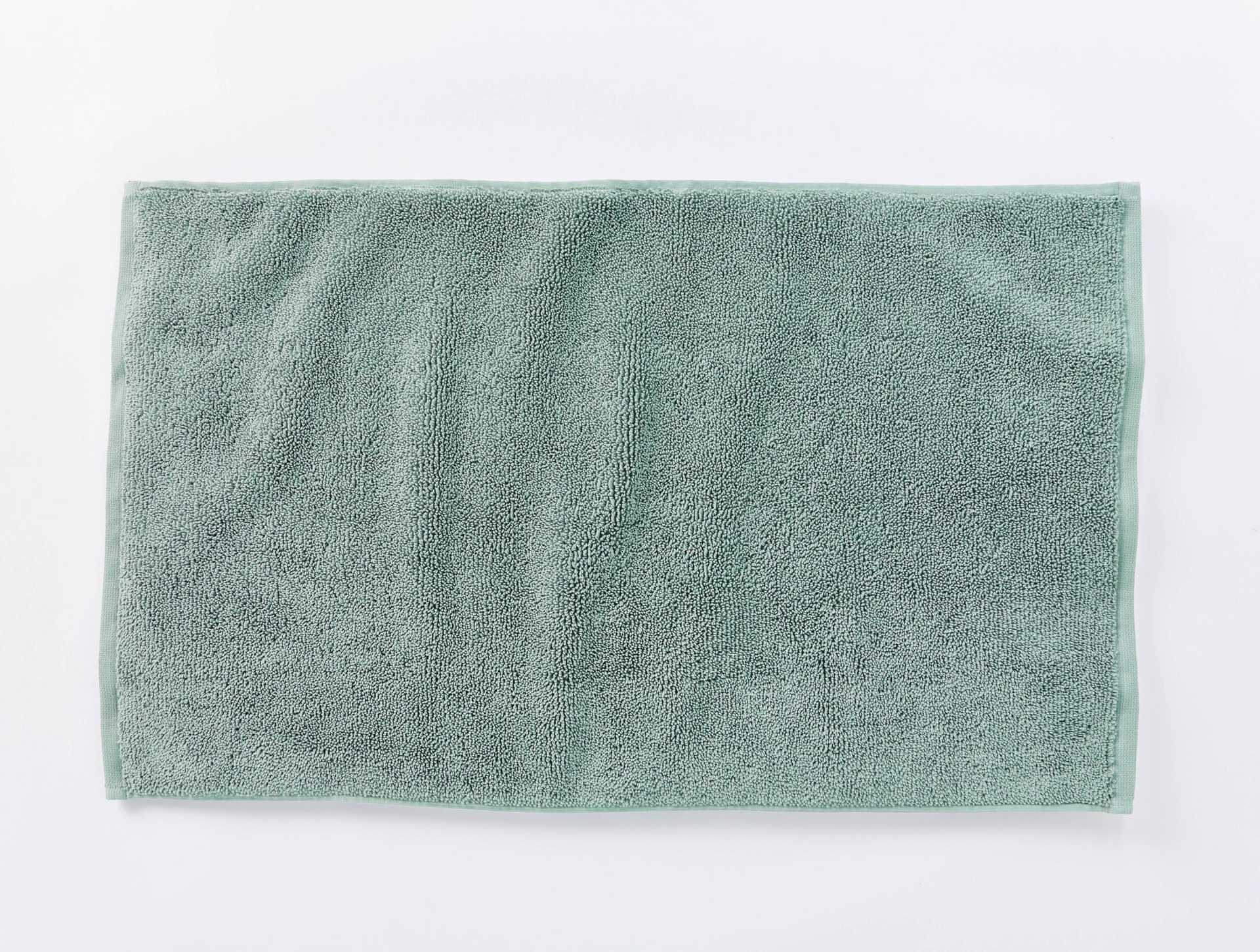
The Cloud Loom™ Organic Bath Mat is a named option within this category for people considering organic bath textiles. Its organic designation is relevant to material preferences, while its bath-mat format serves the everyday purpose of providing a soft, functional surface beside a tub or shower. Check product specifications for composition and care details.
Size and placement affect both comfort and usability. A mat should suit the available floor area without blocking doors, drawers, or walking paths, and its backing should be appropriate for the surface beneath it. In households with children or older adults, keeping the mat flat and the surrounding floor dry can support safer bathroom routines.
Bath mats and rugs are distinct from bedroom bedding, nursery linens, and sleep products such as organic mattresses or innerspring mattresses, though all relate to home comfort. For bathroom textiles, focus on absorbency, texture, fit, material information, and maintenance needs. These characteristics help explain how a bath mat can contribute to a comfortable, well-kept space.
 Bath