Care Guide
Protecting St Geneve Throws from Everyday Spills
A coffee mishap can interrupt a quiet morning in seconds. When it lands on a St Geneve throw made with cashmere or wool, a calm, careful response matters more than a fast, improvised fix. Here’s how to handle a spill thoughtfully, protect delicate fibers, and know when professional cleaning is the better choice.
Natural-fiber throws bring an inviting softness to a sofa, reading chair, or bed. Cashmere and fine wool are prized for warmth, lightness, and a supple drape, but their appeal comes with a small care consideration: they do not always respond well to aggressive stain treatments. A splash of coffee, tea, or another everyday drink can leave a mark, yet rubbing, soaking, or reaching for a household cleaner may create a bigger problem than the spill itself.
The most useful first move is also the simplest: blot gently. Then pause, check the throw’s care instructions, and resist the urge to experiment. Some throws are marked for dry cleaning, and that guidance should take priority over general advice. These practical steps can help you respond with care while avoiding claims that any particular method will remove every stain.
Why cashmere and wool call for a lighter touch
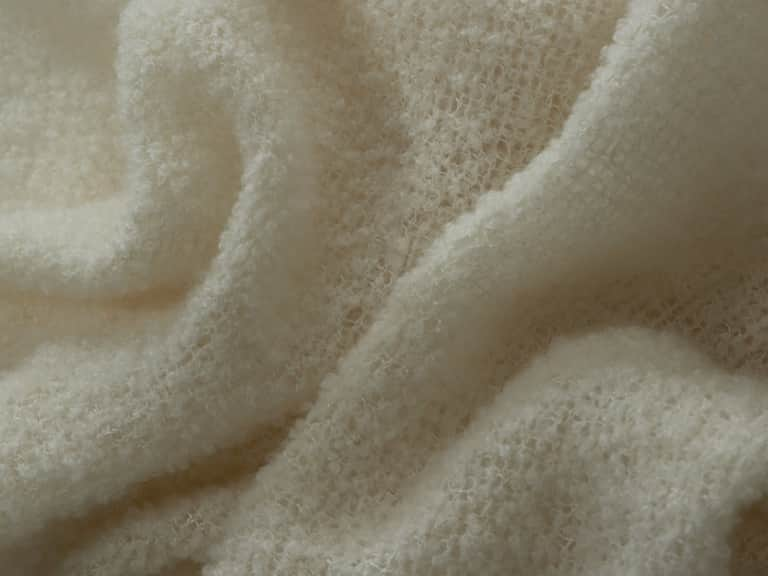
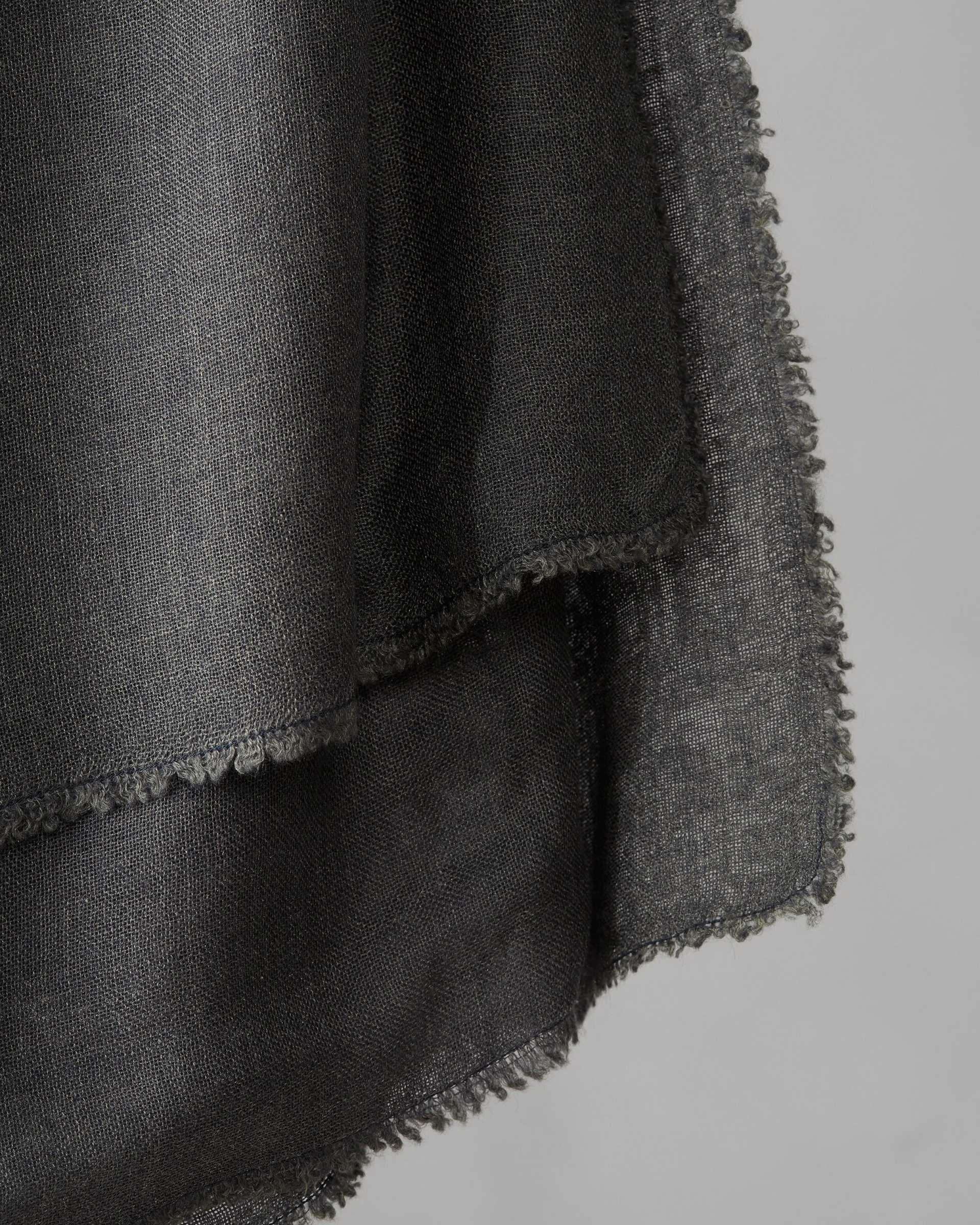
Cashmere and wool are animal fibers with a naturally soft, textured surface. In a fine throw, the feel and appearance depend not only on the fiber but also on how the yarn is spun, the weave or knit is constructed, and the fabric is finished. That combination can make a luxurious layer feel wonderfully easy to live with, but it also means that forceful handling is a poor first response to a spill.
Rubbing can distort the surface, work liquid further into the fabric, or encourage fibers to mat together. Hot water, hard scrubbing, and vigorous wringing may stress the textile and affect its shape or finish. Even a product labeled for delicate garments may not be appropriate for a specific throw. Formulations vary, and a cleaner that suits one fiber or construction is not automatically suitable for another.
That is why “natural fiber” should not be treated as a single care category. A cashmere blend and a wool throw may have different compositions, finishes, and cleaning instructions. Always use the tag or product-specific guidance for the item in front of you rather than relying on a blanket rule for all wool or cashmere.
The first response to a coffee spill
If coffee lands on a St Geneve throw, take a breath and work carefully. Quick action can limit how long liquid remains on the surface, but speed should not come at the expense of gentle handling. Use this as a cautious first-response framework—not as a substitute for the manufacturer’s instructions.
- Lift away anything solid. If the spill contains grounds, crumbs, or other debris, remove them gently without scraping the fabric. Avoid pushing particles down into the weave.
- Use a clean, absorbent cloth. Place a white or colorfast cloth against the spill and press lightly to absorb moisture. A clean white cloth makes it easier to see what has transferred and reduces the chance of dye coming off the cloth.
- Blot rather than rub. Work from the outside of the damp area toward the center, lifting and repositioning the cloth as needed. Rubbing back and forth can spread the mark or disturb the nap and fibers.
- Stop before adding a treatment. Once you have absorbed what you can with gentle blotting, check the care label. Do not pour water onto the throw or apply detergent, stain remover, vinegar, or another household solution unless the care guidance specifically allows it.
- Ask for professional advice when needed. If the care label recommends dry cleaning, or if the spill has left a visible mark, contact a cleaner experienced with delicate natural fibers. Explain what was spilled and what steps you have already taken.
This restrained approach may not erase a stain, and it is not a guarantee of a particular result. Its purpose is to absorb excess liquid while avoiding treatments that could damage the material or complicate professional cleaning.
What to avoid when treating coffee marks
A familiar household fix can seem reassuring when a spill is fresh. With a delicate wool or cashmere blend, however, guessing is risky. A treatment can alter color, texture, or shape, and a mark may become harder to address after the fabric has been rubbed or exposed to an unsuitable product.
- Don’t scrub the spot. Pressure and friction can disturb the fabric surface and move the liquid into a larger area.
- Don’t soak the throw by default. Immersion may be inconsistent with the care label and can place unnecessary stress on a delicate textile.
- Don’t use heat as a quick fix. Hot water, a hair dryer, or an iron can affect the fibers or set a mark. Follow the product’s instructions instead of improvising.
- Don’t apply bleach or a strong stain remover. These products may be unsuitable for the fiber, dye, or finish, even if the packaging describes them as effective on stains.
- Don’t wring or twist the fabric. Twisting puts stress on the textile and can affect its drape and shape.
- Don’t assume one throw’s care routine fits another. Fiber blends, construction, and manufacturer recommendations can differ from piece to piece.
When in doubt, stop after gentle blotting and consult the care label or a qualified cleaner. Doing less can be the more protective choice.
Let the care label lead
Care instructions are specific to the product, not simply to its most prominent fiber. A throw may combine cashmere with wool, for example, and its construction or finishing may affect how it should be cleaned. The manufacturer’s directions take precedence over generic advice about cashmere care or wool throw care.
St Geneve’s Renata Cashmere Blend Throw is described as a blend of 20% cashmere and 80% extra-fine merino wool, with dry-clean-only care instructions. For a spill on this throw, avoid washing or spot-treating it at home unless the current product guidance expressly permits that approach. You can find its details on the St Geneve Renata Cashmere Blend Throw product page.
The St Geneve Freya Throw, made with superfine merino wool and cashmere, lists dry cleaning as recommended. That language is not an invitation to machine wash or soak it; it is a reason to read the instructions closely and seek professional advice about a stain. Product details are available on the St Geneve Freya Wool and Cashmere Throw product page.
Product pages and labels can be updated, so check the instructions that accompany your own throw. If the wording is unclear, ask the manufacturer or an experienced cleaner before applying anything. A brief conversation can help prevent an uncertain home treatment from turning into a lasting change in texture or appearance.
When professional cleaning is the sensible choice
A professional cleaner is worth contacting when a throw is labeled dry clean only or dry clean recommended, when the stain is extensive, or when you are unsure how the fabric will respond. The cleaner can assess the textile and advise whether the appropriate service is available for its fiber composition and finish. No method should be assumed to guarantee complete stain removal, especially after a mark has dried or after a home treatment has been attempted.
When you bring in or call about the item, share useful details: what spilled, whether it included milk or sugar, approximately when it happened, and what you used to blot it. If you applied any product, name it. This information helps the cleaner make an informed assessment rather than having to guess what the fabric has already been exposed to.
Try not to fold a damp section against another part of the throw. If practical, keep the affected area open and avoid placing the textile in direct heat while you arrange next steps. Follow the cleaner’s advice on transport and handling; delicate fabrics benefit from minimal, careful manipulation.
A little prevention makes daily use easier
Luxury bedding and throws are made to be enjoyed, not hidden away. A few modest habits can reduce the likelihood of a spill without making a room feel overly precious or turning an ordinary cup of coffee into a high-stakes event.
- Set drinks on a stable surface. Use a side table or tray rather than balancing a cup on a soft throw or cushion.
- Keep a clean cloth nearby. A plain, absorbent cloth is useful for blotting accidental spills on many household surfaces, though the throw’s care label should still guide treatment.
- Fold the throw back during meals. If food or drinks are being served on a sofa or bed, move the throw aside or cover it with a washable layer that can be removed afterward.
- Store it thoughtfully when not in use. Keep the throw clean and dry, away from food, beverages, and anything that could snag or soil the surface.
- Share the care instructions. If family members or guests use the throw, a simple reminder not to treat a stain with an unapproved product can prevent well-intentioned mishaps.
Prevention should feel practical, not restrictive. A throw can still live on the sofa or at the end of a bed; the aim is simply to create a little space between delicate fibers and the most spill-prone moments of the day.
Everyday upkeep between spills
Good routine care begins with following the label and avoiding unnecessary cleaning. Between uses, shake or air the throw only as appropriate for its construction, and keep it away from direct sunlight or heat if the care instructions advise caution. Store it clean and fully dry, and avoid compressing it under heavy items for long periods if that could affect its shape.
Check occasionally for loose threads, snags, or areas that need attention. Addressing a small construction issue early may help prevent it from worsening during regular use. If the throw needs cleaning after extended use, follow the stated care method rather than waiting until a spill or odor makes a more intensive intervention seem urgent.
These habits are especially useful for natural-fiber bedding and throws because they favor longevity over repeated, aggressive cleaning. The goal is not to keep a textile untouched; it is to care for it in a way that respects the material and the maker’s guidance.
Coffee stains and the question of what was in the cup
Not all coffee spills are alike. Black coffee differs from a drink containing milk, cream, syrup, or sugar, and a large spill differs from a few drops. Those details may matter when a cleaner assesses the stain, so share them rather than trying to tailor a home remedy to each ingredient.
If the beverage has cooled or dried, avoid escalating your efforts with stronger products. A dried mark can be frustrating, but repeated rubbing or layering treatments onto the fabric may create additional problems. Tell the cleaner what happened and let them advise you on the next appropriate step for the specific throw.
Likewise, don’t judge success only by whether a mark becomes less visible after blotting. The liquid may have spread through the weave, and a damp patch can look different while it dries. Follow the product’s care guidance and professional advice rather than applying heat or additional liquid to speed up the process.
A quick reference for a spill
Do: lift away solids gently, blot with a clean absorbent cloth, check the throw’s specific care label, and contact a qualified cleaner if the instructions call for it or the stain remains.
Avoid: rubbing, soaking, wringing, applying household stain removers without approval, and using heat to dry or treat the spot.
This short list is a starting point, not a replacement for product-specific directions. A method that is safe for a washable cotton blanket may not be suitable for a cashmere and merino wool throw. The fiber blend and construction matter.
The takeaway: act gently, then ask
A coffee spill on a fine throw is inconvenient, but it does not have to become a reason to reach for every cleaner in the cupboard. With St Geneve throws, the most considerate first response is gentle blotting followed by a careful look at the care instructions. If the tag recommends dry cleaning—or if you cannot confidently identify a suitable treatment—leave the next step to a professional familiar with delicate wool and cashmere textiles.
That measured approach protects more than a favorite color or a beautifully soft surface. It respects the structure of the throw and helps preserve the comfort that made it worth keeping close in the first place. Keep drinks on a stable table, keep the care label accessible, and remember: in the moment after a spill, gentle is better than hurried.